Best Practices
Clear and Concise Messaging: Use simple language and concise messages to guide users through interactions. Avoid jargon or complex terminology.
Natural Language Understanding (NLU): Implement robust NLU capabilities to accurately interpret user input. This ensures that the chatbot can understand various phrasings of the same query.
Feedback and Confirmation: Provide immediate feedback to users upon receiving their input. Confirm actions taken by the chatbot to reassure users that their requests are being processed.

Progress Indicators: For multi-step processes, such as form filling or complex tasks, include progress indicators to inform users about their current position within the conversation flow.
Personalization: Tailor responses and recommendations based on user preferences, history, or demographic information whenever possible. Personalization enhances user experience and engagement.
Visual Elements: Incorporate visual elements, such as buttons, menus, and images, to supplement text-based interactions. Visual cues can help users navigate the conversation more easily.
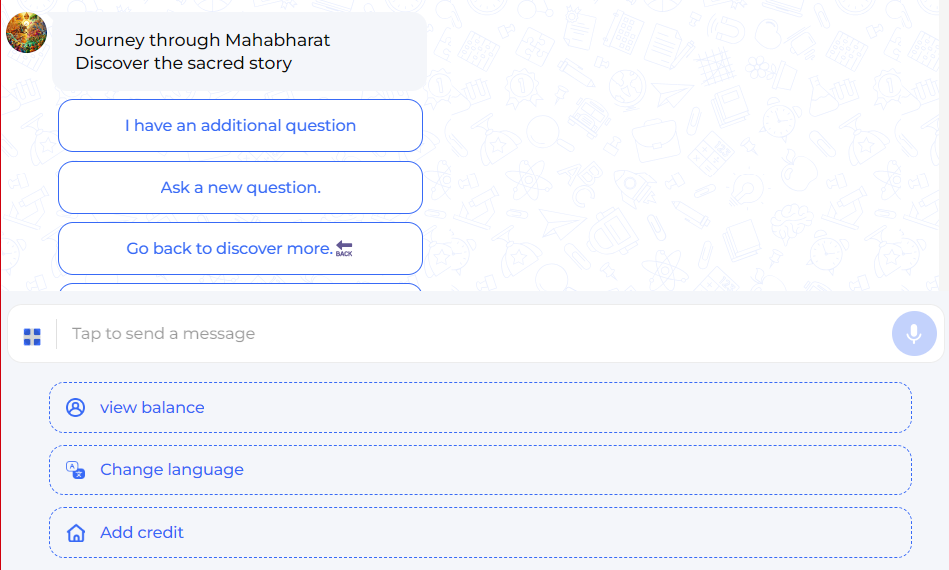
Real-Time Analytics: Integrate real-time analytics to monitor chatbot performance and user behavior. Leverage data insights to continuously improve the chatbot’s effectiveness and user experience.
Fallback Options: Include fallback options for cases when the chatbot cannot understand or fulfill a user request. Provide alternative suggestions or escalate to human support if necessary.
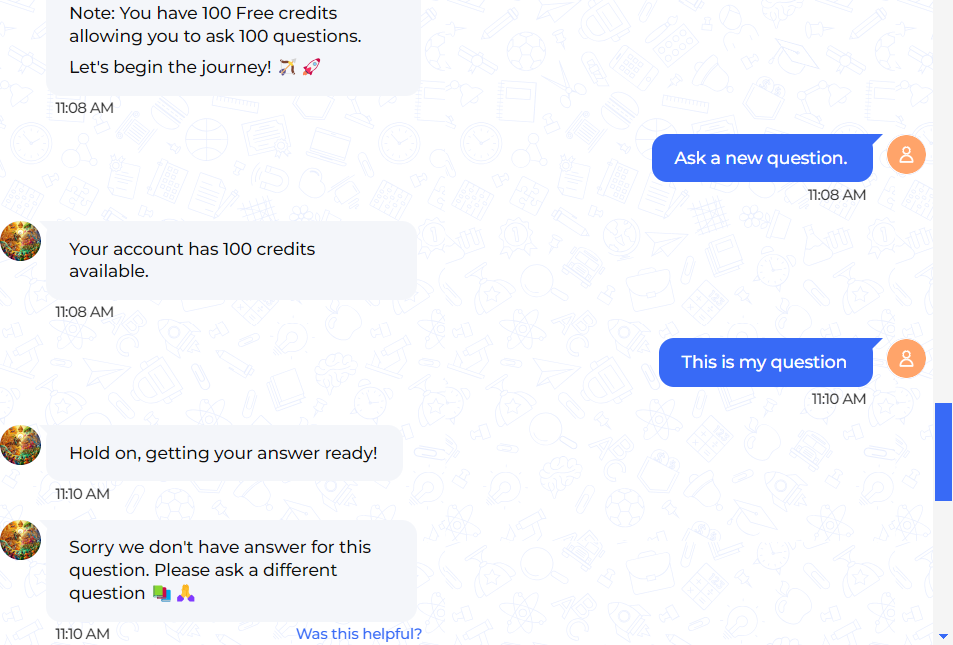
Human Handoff: Offer seamless transitions to human agents when the chatbot encounters complex queries or fails to resolve user issues. Ensure smooth integration between automated and human support channels.
Testing and Iteration: Continuously test the chatbot with real users to identify areas for improvement. Collect feedback and iterate on the design to enhance usability and effectiveness over time.
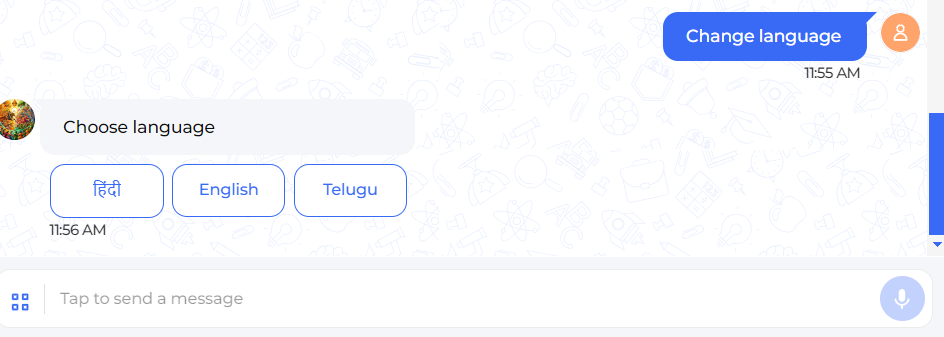
Multilingual Support: Incorporate multilingual capabilities to cater to diverse user demographics. Enable the chatbot to understand and respond in different languages based on user preferences.
Accessibility: Design the chatbot interface to be accessible to users with disabilities. Ensure compatibility with screen readers, keyboard navigation, and other assistive technologies.
Cross-Platform Compatibility: Ensure that the chatbot interface works seamlessly across various devices and platforms, including web browsers, mobile apps, and messaging platforms.
Data Privacy and Security: Prioritize data privacy and security by implementing measures to protect user information and adhere to relevant regulations, such as GDPR or CCPA.